
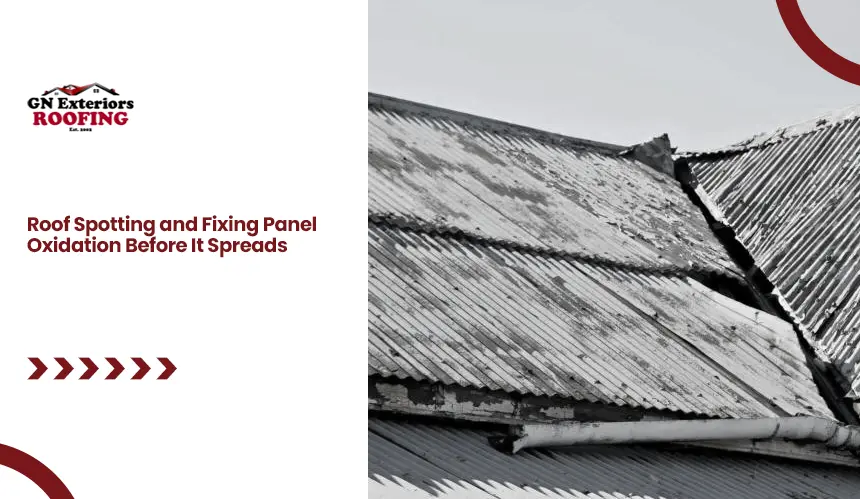
A Quick Answer: Panel oxidation can be spotted early by noticing dullness, uneven color fading, or a chalky residue on the surface, and it can be fixed before it spreads by addressing the degraded top layer and restoring surface protection as soon as those signs appear. |
Panel oxidation rarely announces itself with obvious damage at first. It usually begins quietly, showing up as a slight loss of shine or a surface that no longer looks uniform under light. Because the change feels gradual, many people ignore it until the oxidation has progressed beyond simple correction. That delay is what allows the damage to spread and deepen.
This article focuses on recognizing oxidation at its earliest stage and understanding how to stop it before it compromises the panel further.
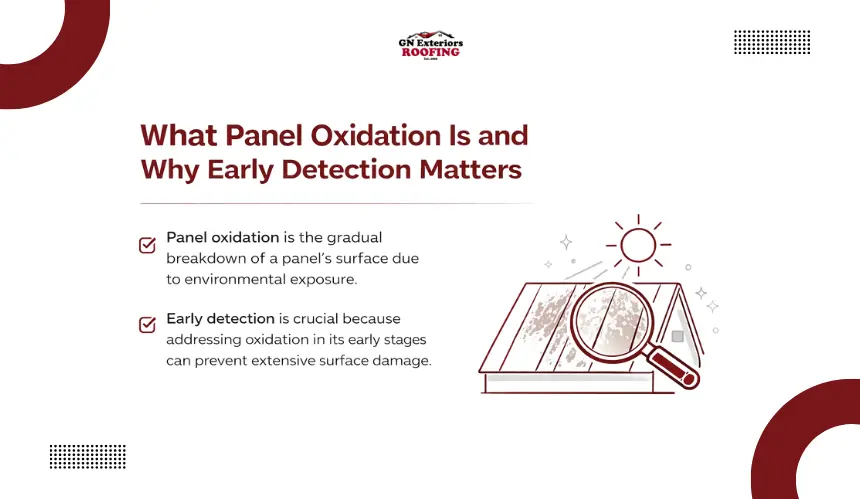
Panel oxidation refers to the gradual breakdown of a panel’s outer surface when it is exposed to environmental stressors over time. This process affects the topmost layer first, changing how the surface reflects light, holds color, and responds to contact.
At this stage, the material underneath is usually still intact, which is why timing plays such a critical role in how manageable the issue remains.
Oxidation begins when the protective qualities of the surface layer weaken. Ultraviolet exposure, airborne contaminants, and repeated contact with moisture slowly strip away the surface’s ability to shield itself. As this protection fades, the panel starts to lose gloss and uniformity, even though the structure beneath may still appear sound.
Early detection matters because surface-level oxidation can often be corrected without aggressive methods. Once oxidation is allowed to continue unchecked, it spreads laterally and penetrates deeper, making restoration more complex and less predictable.
Recognizing oxidation at this early phase creates a narrow window where corrective action focuses on surface recovery rather than material replacement or intensive repair.
Early-stage oxidation often shows up through subtle surface changes rather than obvious damage. These signs are easy to miss because they develop unevenly and do not always affect the entire panel at once. Paying attention to small visual inconsistencies helps identify oxidation while it is still limited to the surface layer and easier to control.
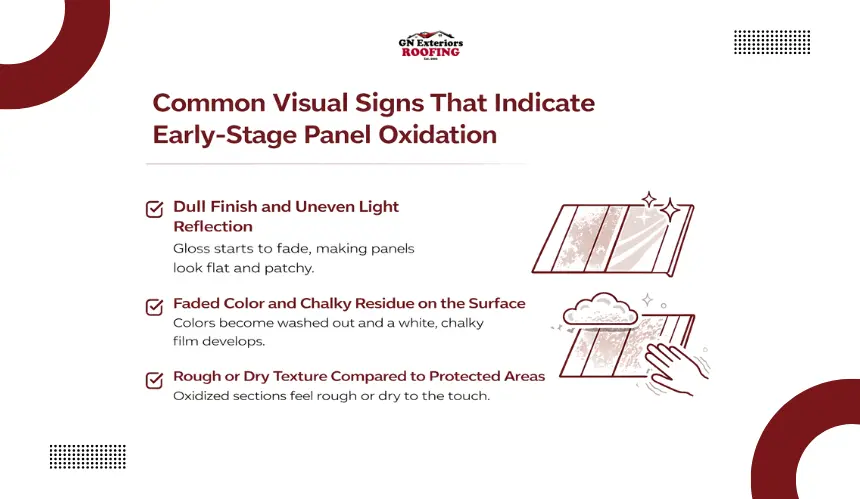
One of the earliest indicators of panel oxidation is a noticeable drop in surface gloss. Light no longer reflects evenly, causing certain areas to appear flat or muted while adjacent sections retain some shine. This uneven reflection is a direct result of surface degradation that disrupts how light interacts with the panel’s outer layer.
As oxidation progresses, color saturation begins to weaken. Panels may look slightly washed out or lighter than surrounding areas that receive less exposure. In many cases, a fine chalk-like residue becomes visible during cleaning or when running a hand across the surface. This residue signals that the surface material is breaking down and shedding at a microscopic level.
Another common sign is a change in how the panel feels to the touch. Oxidized areas often feel dry, slightly gritty, or less smooth than sections that remain protected. This texture difference indicates surface erosion rather than contamination, distinguishing oxidation from dirt or residue that can be washed away.
Panel oxidation does not occur randomly. It develops through repeated exposure patterns that slowly weaken the surface until protective properties break down. Understanding what drives this process helps explain why oxidation often spreads from small areas into larger sections when left unaddressed.
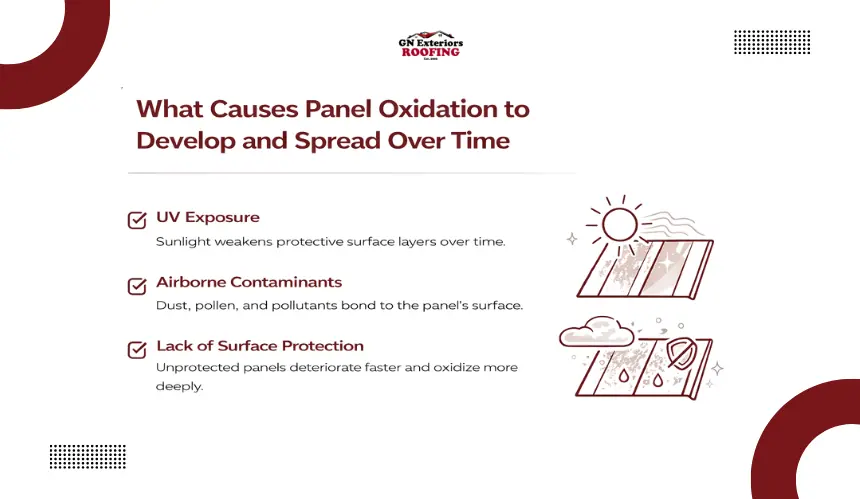
Ultraviolet radiation is one of the most consistent contributors to oxidation. Prolonged sun exposure disrupts the chemical stability of surface layers, causing them to lose flexibility and protective strength.
As this degradation continues, the surface becomes more vulnerable to fading, dryness, and oxidation buildup, especially on panels that receive direct sunlight for long periods.
Environmental pollutants such as dust, industrial fallout, and road residue settle onto panels and bond at a microscopic level. When these contaminants are not removed regularly, they trap moisture and heat against the surface. This constant exposure accelerates oxidation by preventing the panel from maintaining a stable protective barrier.
Panels that lack consistent protective layers deteriorate faster than those that are maintained. Without waxes, sealants, or similar surface protection, the panel remains exposed to environmental stress with no buffer. Over time, oxidation spreads outward from the most exposed areas, turning localized surface damage into widespread panel deterioration.
In Massachusetts, oxidation progression is often influenced by a mix of coastal air, seasonal sun exposure, and winter road treatments. Areas such as Dorchester, Quincy, and Weymouth are regularly exposed to salt-laden air from nearby waterways, which increases surface moisture retention even outside of winter months.
Inland communities like Milton, Randolph, Hanover, and Hingham often experience oxidation driven by seasonal temperature swings, snow melt residue, and extended summer sun exposure. These localized conditions make consistent surface protection especially important, as oxidation can advance faster when environmental stressors overlap throughout the year.
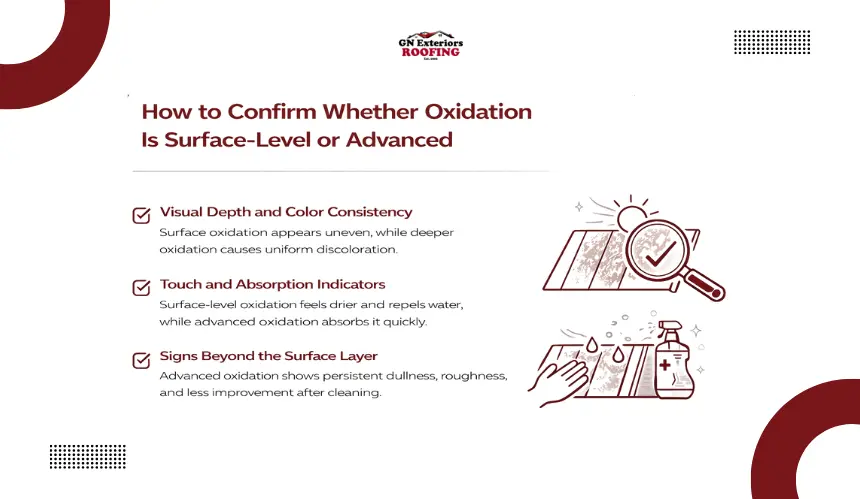
Not all oxidation behaves the same way, and assuming its severity too early often leads to the wrong corrective approach. Before attempting any fix, it is important to determine whether the oxidation is limited to the surface layer or has progressed deeper.
Surface-level oxidation usually appears uneven and shallow, affecting how light reflects rather than permanently altering color depth. When viewed from different angles or under direct sunlight, early oxidation often looks patchy instead of uniformly faded.
Panels with deeper oxidation tend to show consistent discoloration that does not shift with lighting changes, signaling that the degradation extends beyond the outer layer.
Running a hand across the panel can reveal useful clues. Surface oxidation typically feels dry but relatively smooth once loose residue is removed. Water behavior also matters.
When sprayed lightly, a surface-level oxidized panel may still repel water unevenly, while advanced oxidation allows moisture to spread and absorb quickly. This change indicates a loss of surface integrity rather than temporary surface breakdown.
Oxidation is no longer superficial when cleaning or light correction produces little to no improvement. Persistent dullness, unchanged color fading, or texture that remains rough after surface preparation suggests deeper material involvement.
At this stage, oxidation is embedded enough that simple surface-focused solutions are unlikely to restore the panel fully.
Once oxidation is confirmed as surface-level, corrective action should focus on restoring the compromised top layer without removing unnecessary material. Early-stage oxidation responds best to controlled, methodical correction rather than aggressive techniques.
The goal at this stage is to stabilize the surface, recover visual uniformity, and stop further degradation before it spreads.
Correcting oxidation starts with removing anything that interferes with direct surface contact. Embedded dust, residue, or bonded contaminants can mask oxidation severity and reduce the effectiveness of correction methods.
A properly cleaned and decontaminated panel allows oxidation removal efforts to target the degraded layer directly, producing more consistent results and reducing the risk of uneven correction.
Light oxidation is typically addressed through controlled abrasive action designed to level the degraded surface layer. This process removes oxidation buildup while preserving the integrity of the panel beneath.
When performed correctly, mild abrasive correction restores clarity and smoothness without thinning the surface excessively, making it an effective option for early intervention.
After oxidation removal, the surface remains vulnerable if left untreated. Neutralizing the panel helps rebalance surface conditions and prepares it to accept protective layers.
This step reduces the likelihood of rapid re-oxidation and ensures that the corrected surface maintains its restored appearance rather than reverting to dullness within a short period.
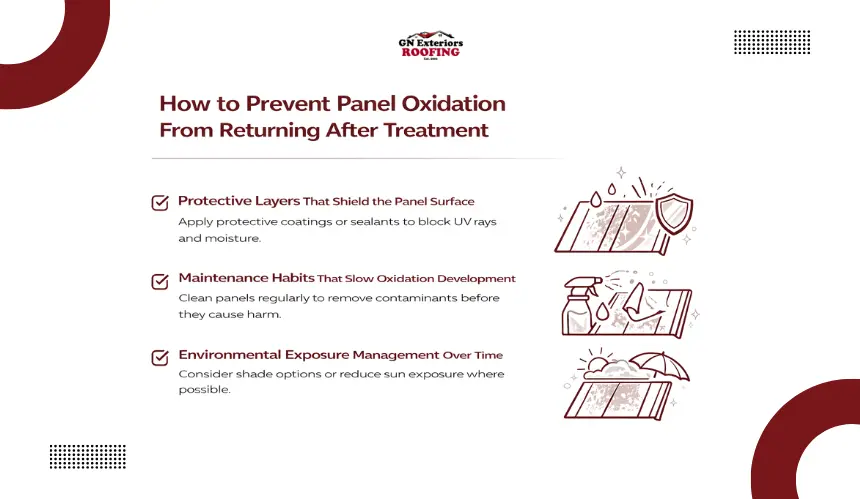
Correcting oxidation solves the immediate surface issue, but prevention determines whether that effort lasts. Once the panel has been restored, ongoing exposure control and surface protection become the deciding factors in how well the surface resists future oxidation.
Prevention is not about eliminating exposure entirely, but about slowing degradation enough to keep oxidation from re-establishing itself.
After correction, applying a protective barrier is essential to reduce direct environmental contact. Surface protectants act as a buffer between the panel and external stressors, limiting how quickly UV radiation, moisture, and airborne contaminants reach the surface.
Depending on exposure conditions and panel composition, this protection may come from acrylic coatings that reflect sunlight, elastomeric coatings that flex with temperature changes, or clear sealants designed to block moisture and contaminant bonding without altering appearance.
In many cases, guidance from a metal roofing company helps determine which protective options align best with panel material and local exposure conditions. Panels that remain unprotected after correction tend to oxidize again much faster, even if the initial fix was effective.
Consistent maintenance plays a major role in oxidation prevention. Regular surface cleaning removes pollutants before they bond and degrade the panel. Maintenance intervals matter more than intensity; frequent, gentle care helps preserve surface stability far better than infrequent, aggressive cleaning that can weaken protective layers over time.
Where and how a panel is exposed affects oxidation recurrence. Prolonged sunlight, heat retention, and stagnant outdoor exposure accelerate surface breakdown. Reducing continuous exposure, even partially, helps extend the lifespan of surface protection and slows oxidation progression. Small changes in exposure habits often produce noticeable long-term benefits.
A timely assessment today can save unnecessary repairs tomorrow and keep your exterior looking consistent, protected, and built to last. If panel oxidation is starting to dull your exterior, now is the moment to act before it turns into a larger surface issue.
GN Exteriors helps homeowners identify early oxidation, restore surface integrity, and protect panels from long-term exposure damage.
Oxidation can indirectly affect thermal behavior by altering how panels interact with sunlight. As surfaces lose reflectivity, they tend to absorb more heat, which can raise surface temperatures and place additional strain on interior cooling systems, particularly on sun-exposed elevations.
When oxidation is left untreated for extended periods, it accelerates surface wear and weakens protective layers. Over time, this increases vulnerability to environmental stress, which can shorten the functional lifespan of panels even if the underlying structure remains intact.
Yes, panels facing consistent sun exposure or prevailing weather patterns tend to oxidize faster. South- and west-facing surfaces often show earlier signs due to prolonged UV exposure, while panels exposed to moisture retention or limited airflow may deteriorate unevenly.
Oxidation does not spread through contact, but adjacent panels often experience similar exposure conditions. When one panel shows oxidation, nearby panels are frequently affected soon after due to shared sunlight, airflow, and contaminant exposure patterns.
Darker or more saturated colors tend to show oxidation sooner because fading and loss of gloss are easier to detect visually. Lighter finishes may oxidize at a similar rate but often mask early surface changes until degradation becomes more advanced.