
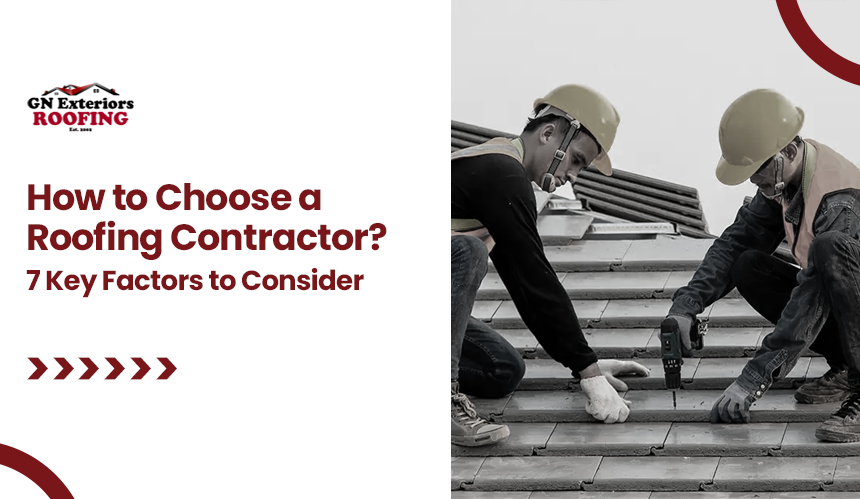
Your roof plays a critical role in protecting your home from weather damage, heat loss, and structural decay. So when it’s time to repair or replace it, the quality of your roofing contractor matters just as much as the materials used.
To choose the right roofing contractor, you need to verify licensing, insurance, material certifications, local project experience, and a detailed written estimate. These criteria ensure the contractor is qualified, legally compliant, and capable of delivering durable, high-quality results.
In this article, we’ll walk you through exactly what to look for when hiring a roofing contractor step by step, so you can avoid common pitfalls and make a confident, informed decision for your home.
Choosing a roofing contractor is not just about comparing quotes, it is about ensuring the company you hire is qualified, insured, experienced, and accountable.
The wrong decision can lead to code violations, voided warranties, or incomplete work that costs more to fix than it did to install. To protect your home and your investment, focus on these seven key qualifications every professional roofing contractor should meet:
Before hiring any roofing contractor, the first thing you must verify is whether they hold a valid, state-issued roofing license.
In states like Massachusetts, roofing is a regulated trade that legally requires a contractor to pass exams, carry insurance, and register with a state licensing board.
Hiring an unlicensed roofer not only voids manufacturer warranties but may also put you in violation of local building codes, especially if a permit is required and never pulled.
You can request the contractor’s license number and check its status through your state’s Contractor Licensing Board or Registrar of Contractors. Make sure the license:
In addition to licensing, confirm that the contractor understands municipal building codes and can handle permits and inspections as required by your city or county.
A legitimate contractor will never ask you, the homeowner, to pull permits for them. This is a legal and professional responsibility that falls on the contractor, and failure to do so can result in stop-work orders or fines.
What to Ask the Contractor:
Roofing work is hazardous, and without proper insurance coverage, any injury or property damage during the project could legally fall on you. That’s why it’s non-negotiable to hire a contractor who carries both general liability insurance and workers’ compensation insurance.
Liability insurance covers damage to your home caused by the contractor, for example, broken windows, water intrusion, or structural damage. Workers’ comp, on the other hand, protects you from being financially responsible if a crew member is injured while working on your property.
Before signing anything, ask for the contractor’s Certificate of Insurance and verify it was issued by a licensed carrier. Also confirm:
Not all roofers are equipped to handle every type of roof. Your contractor should have documented experience with the specific roofing material and design you need, whether it’s asphalt shingles, metal panels, rubber, condo, or flat roofing systems.
Also consider local climate knowledge. A contractor who understands regional weather challengesl, like ice dams in colder states or UV damage in sunny, humid zones, will make smarter decisions about material choice, ventilation, and moisture control.
Ask to see:
Many leading roofing material manufacturers offer certification programs, such as GAF Master Elite® and CertainTeed SELECT ShingleMaster™ to contractors who complete specialized training and meet strict installation and service standards.
These certifications are important because they ensure the contractor installs materials exactly according to the manufacturer’s guidelines, which is critical for maximizing your roof’s longevity and performance.
Hiring a certified contractor often qualifies you for extended material and labor warranties beyond the basic manufacturer warranty. These enhanced warranties provide greater protection for both product defects and workmanship errors.
Without certified installation, warranty coverage may be limited or voided entirely. Therefore, confirming that your roofing contractor holds relevant manufacturer certifications is essential to safeguarding your investment and ensuring full warranty benefits.
Ask the Contractor these questions:
A reputable contractor will never give you a vague or verbal estimate. A professional estimate should be written, itemized, and signed, showing exactly what the project includes, and what it doesn’t.
Your estimate should detail:
Avoid estimates that contain lump sums or generic line items like “roof replacement – $10,000.” These leave room for surprise charges and disputes later.
Here is What to Expect in a Good Estimate:
A contractor’s online reputation offers valuable insight into their reliability, professionalism, and follow-through. Look for consistent patterns in Google reviews, Better Business Bureau (BBB) ratings, and third-party platforms like Angi or HomeAdvisor.
Key signals of a reputable roofing contractor include:
Don’t rely only on testimonials from the company’s website. Cross-check feedback across multiple sources to ensure the praise is authentic and up to date.
A legitimate roofing contractor will provide a detailed written contract before work begins, not after. That contract should clearly outline:
Avoid contractors who request full payment upfront or offer to waive permits. A fair payment structure often includes a 30% deposit, 40% mid-project payment, and 30% upon completion, never full payment in advance.
Moreover, homeowners appreciate flexible financing options to manage roofing costs. GN Exteriors offers financing services to help make quality roofing more accessible without compromising your budget.
What to Review in the Contract:
The roofing needs in Quincy, Milton, Weymouth, and Randolph, MA, are shaped by a mix of snowy winters and humid summers, making local expertise essential for a durable, weather-resistant roof.
In snowy climates like these, a roofing contractor must understand ice dam prevention, which involves proper attic ventilation and insulation to stop melting snow from refreezing at eaves and causing leaks. Without this knowledge, your roof is at risk for water damage and costly repairs each winter.
During hot, humid summers, roofing materials face intense UV exposure and moisture, which can accelerate wear and mold growth. Contractors experienced with these conditions will recommend UV-resistant shingles and incorporate effective insulation and ventilation to manage heat and humidity, preserving your roof’s integrity and energy efficiency.
By choosing a roofer with proven experience in local weather patterns, you benefit from smarter material selection, installation techniques, and maintenance advice that extend your roof’s lifespan.
Choosing a roofing contractor is about securing long-term protection, performance, and peace of mind. By thoroughly verifying licensing, insurance coverage, manufacturer certifications, local experience, and clear written contracts, you drastically reduce the risk of poor workmanship, costly rework, or voided warranties.
Don’t skip the due diligence; your roof safeguards everything beneath it, and selecting a qualified professional is your best defense against future problems.
If you’re ready to work with a licensed, fully insured roofing contractor who prioritizes transparency, craftsmanship, and local expertise in Quincy, Milton, Weymouth, and Randolph, contact GN Exterior today for a free, detailed estimate and take the first step toward a secure, lasting roof.
Signs like widespread shingle curling, multiple leaks, granule loss in gutters, and sagging decking usually indicate a full replacement is necessary. Minor leaks or isolated damaged shingles can often be repaired. A qualified roofing contractor will conduct a thorough inspection and provide an objective assessment.
Popular green roofing options include cool roofs with reflective coatings, metal roofing with recycled content, and synthetic shingles designed for durability and energy efficiency. Proper insulation and ventilation also enhance a roof’s environmental performance.
Installation time depends on roof size, material, weather conditions, and complexity. For most residential asphalt shingle roofs in Quincy or nearby areas, the process typically takes 3–7 days from tear-off to cleanup.
Yes. Experienced contractors often help document damage, provide detailed repair estimates, and liaise with insurance adjusters to support claim approval and proper reimbursement.
Regular gutter cleaning, annual inspections for loose shingles, ensuring attic ventilation is unobstructed, and addressing minor repairs promptly help roofs withstand coastal humidity, salt air, and winter storms.