

Condo roofing replacement is the process of removing an old or damaged roof on a condominium building and installing a new one. It is a crucial responsibility for property managers that directly impacts the building’s safety, value, and tenant satisfaction.
A timely roof replacement helps avoid expensive emergency repairs and ensures the property complies with building codes. This article will guide property managers through the best practices for condo roof replacement.
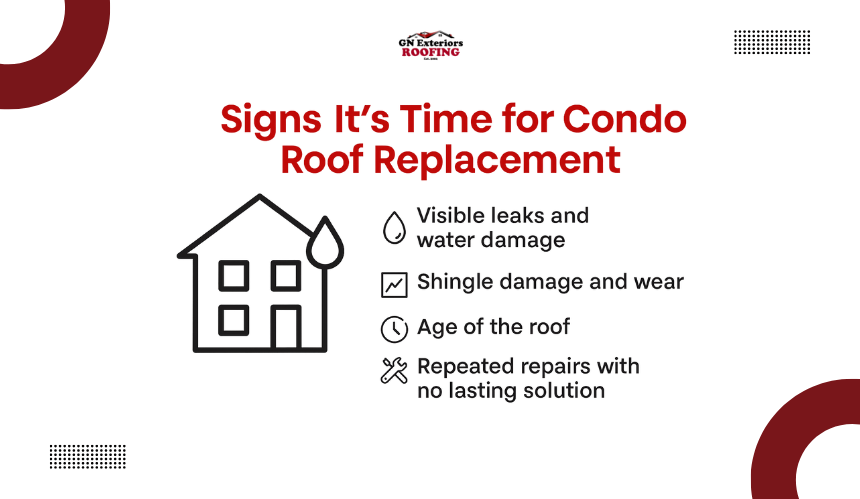
Knowing when to replace a condo roof is essential for maintaining the property’s integrity and tenant safety. Waiting too long to replace an aging or damaged roof can lead to expensive repairs and disruptions. Here are the five key signs that it’s time for a condo roof replacement.
Water stains on ceilings, walls, or around windows are clear signs that a roof is leaking. Leaks can compromise both the building’s structure and tenant safety. If the leaks are frequent or widespread, it often indicates that the roof can no longer effectively protect the building, signaling the need for replacement.
Shingles that are curling, cracking, or missing are a sign of wear and tear. Over time, roofing materials degrade, losing their ability to safeguard the structure. Property managers should monitor shingle condition regularly to identify these issues early and prevent further damage to the roof and building.
The age of a roof is an important factor in deciding whether it should be replaced. Most roofs last between 20 and 30 years, depending on the material used. If the roof is approaching or has exceeded its expected lifespan, even without noticeable damage, a replacement may be necessary to avoid unexpected failures.
Water pooling, particularly on flat roofs, suggests drainage issues or structural problems. Over time, standing water can lead to mold growth, which damages the roof and can affect indoor air quality. Persistent pooling water is a strong indication that the roof may need to be replaced to prevent further damage.
If a roof requires frequent repairs, it’s often a sign that the underlying issues are too extensive to be fixed with patches. Continually repairing the roof without addressing the root cause can become costlier than a full replacement. Property managers should evaluate whether it’s more cost-effective to replace the roof entirely rather than keep repairing it.
Managing a condo roof replacement involves a multi-step approach that demands careful planning, clear communication, and a strategic understanding of both technical and financial elements. The goal is to ensure minimal disruption, stay within budget, and ultimately enhance the long-term value of the property.
Below are the essential practices property managers must follow to oversee a smooth and successful condo roof replacement project.
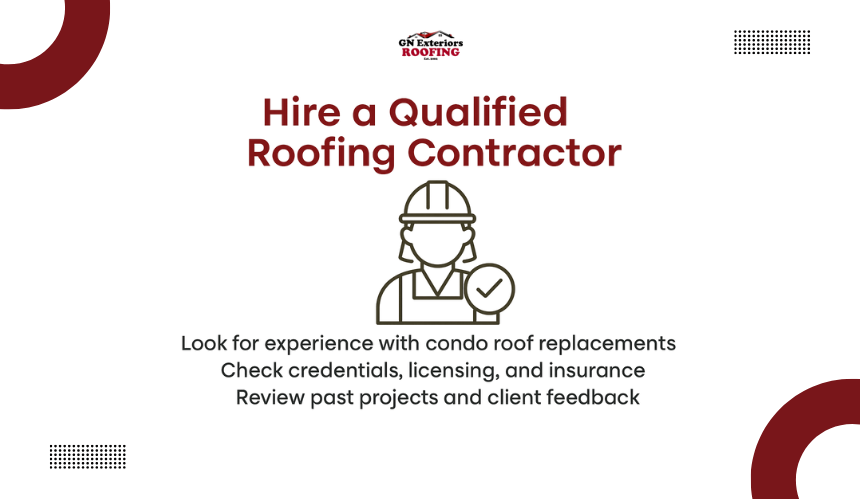
The first and most important step is hiring the right condo roofing contractor. Property managers should look for contractors with proven experience in condo roof replacements. This means selecting professionals who have the required licenses, insurance, and a solid reputation in the industry.
Ensure that the contractor is familiar with local building codes and regulations, as these can vary depending on the area. Always request multiple bids, check references, and review any past projects.
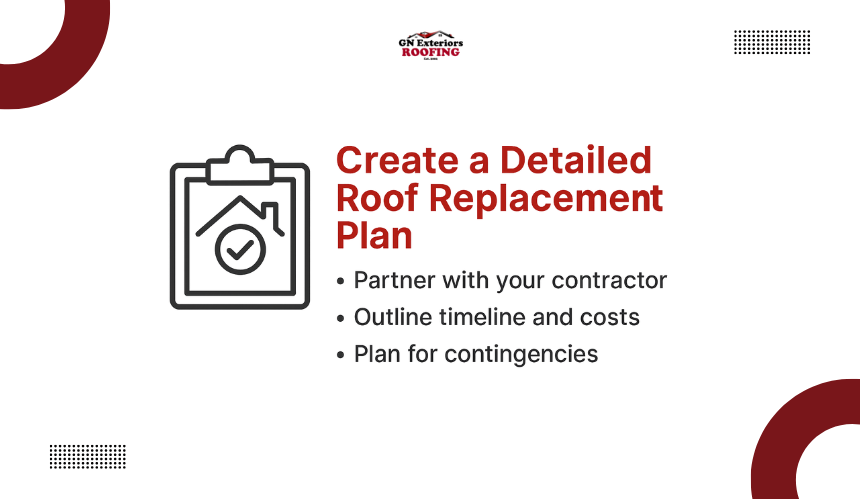
A clear, comprehensive plan is crucial for the successful completion of the roof replacement project. Property managers should work closely with the roofing contractor to create a plan that includes the timeline, a detailed cost breakdown, and specific materials to be used.
The plan should outline every stage of the project, from the initial inspection to the final cleanup. Proper planning ensures that both the contractor and property manager understand the expectations, helping avoid misunderstandings or unexpected costs.
This plan should also account for contingencies. It’s essential to set aside extra funds for unexpected issues, such as hidden structural damage, weather-related delays, or supply shortages.
Before starting any roof replacement work, property managers must ensure that all required permits are in place and that the project complies with local building codes and regulations.
Common permits include a roofing permit to verify compliance with safety and material standards, a building permit if structural changes are involved, and potentially electrical or plumbing permits if the work impacts these systems. Failing to secure the necessary permits can result in fines or delays.
It is essential to work with the contractor to determine which permits are required and ensure they are obtained before work begins. Additionally, property managers should stay informed about HOA rules, neighborhood regulations, and even historic building permits if the property is located in a historic district. Proper documentation helps ensure the project remains legally compliant.

Choosing the right materials is one of the most crucial decisions during a condo roof replacement. The materials selected should not only be durable and cost-effective but also suitable for the local climate and building type. Here are a few popular options:
Each roofing material has its pros and cons, and selecting the right one depends on factors such as climate, aesthetic preferences, energy efficiency, and long-term cost savings.
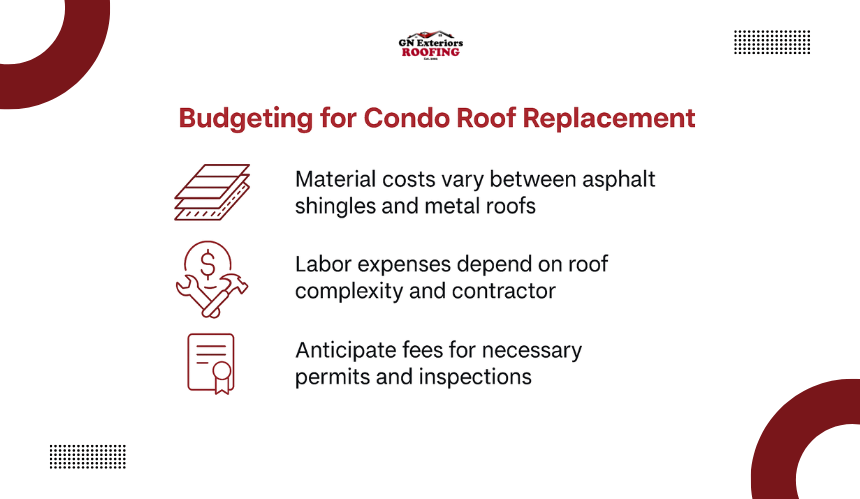
Budgeting is a critical aspect of condo roof replacement. The cost of replacing a roof depends on several factors, including materials, labor, permits, and unforeseen issues that may arise during the project. Here’s a breakdown of typical costs:
Unexpected costs can arise during the roof replacement, such as hidden damage or weather-related delays. A well-planned budget should include a contingency fund (typically 10-20% of the overall project cost) to cover these unexpected expenses.
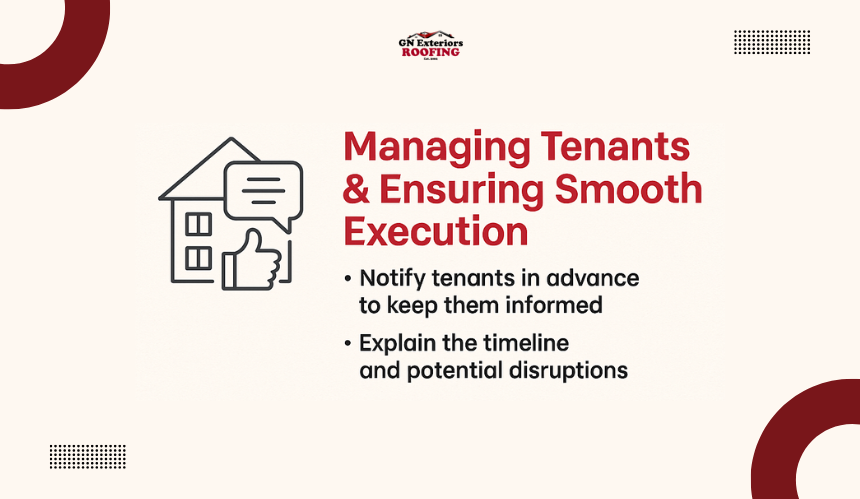
Clear and consistent communication with tenants is key to maintaining a positive environment during the roof replacement. Property managers should inform tenants well in advance of the scheduled replacement date. They should also provide details about the timeline and explain any potential disruptions, such as noise, debris, or limited access to certain areas.
Offering tenants clear instructions on what to expect can minimize complaints and confusion. If the project is expected to disrupt the living space, consider offering compensation, such as rent discounts or temporary relocation options.
Roof replacement projects are often subject to unforeseen challenges, such as weather delays, hidden structural damage, or supply shortages. Property managers should prepare for these challenges by including flexibility in the timeline and budget.
By working closely with the roofing contractor to anticipate potential problems and ensuring that all necessary resources are available, property managers can minimize delays and keep the project on track.
Roof replacement generates a significant amount of debris and waste. Property managers should ensure that the roofing contractor maintains a clean worksite throughout the project. Proper waste disposal is essential to prevent accidents and keep the property presentable.
The contractor should handle debris removal promptly, and the site should be cleared of any materials at the end of each workday. A clean and safe work environment protects both the contractors and the tenants, ensuring the project proceeds smoothly.
A successful condo roof replacement requires meticulous planning, clear communication, and the right expertise. By following best practices from selecting the right contractor and materials to managing tenant expectations and budgeting, property managers can ensure a seamless process that minimizes disruptions.
For efficient and professional service, GN Exteriors is here to help guide you through every step, from start to finish. Reach out to us today for a free and and ensure your condo roof replacement is in expert hands.
The duration of a condo roof replacement depends on various factors, such as the size of the building, the type of roofing material, and weather conditions. Typically, the process can take anywhere from a few days to several weeks. Property managers should plan for potential delays and communicate regularly with the contractor to ensure the project stays on schedule.
If water damage or leaks are noticed, property managers should take immediate action to prevent further damage. Temporary repairs or a tarp should be placed over the affected areas to limit water intrusion. It’s also important to schedule an inspection to assess the full extent of the damage before starting the replacement.
It depends on the condition of the roof. If the roof has significant damage or has reached the end of its lifespan, replacement is usually the best option. For minor issues, such as a few missing shingles or localized leaks, repairs may be sufficient. A professional inspection can help determine whether a full replacement or repair is needed.
In some cases, property managers may be eligible for tax incentives or rebates if they choose energy-efficient roofing materials, such as cool roofs or those designed to improve energy efficiency. It’s important to research local incentives or consult with a tax professional to see if any rebates apply to the roof replacement.
Yes, choosing energy-efficient roofing materials, such as metal or cool roofs, can significantly improve a building’s energy efficiency. These materials reflect more sunlight, reducing the amount of heat absorbed into the building. This can help lower cooling costs in warmer climates.