
Key Takeaways
|
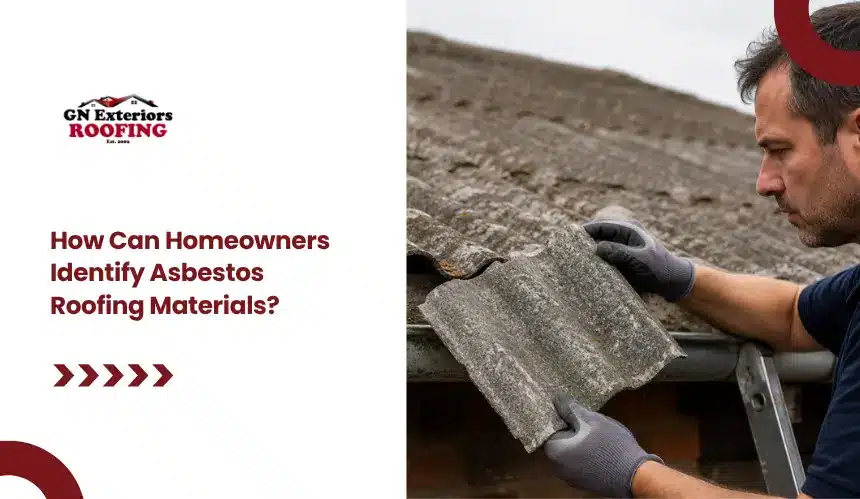
Homeowners may notice old shingles, corrugated sheets, or brittle cement-like roofing and wonder whether asbestos is present. The main challenge is that asbestos roofing cannot be confirmed by appearance alone. Many asbestos-containing materials look similar to non-asbestos roofing products, especially after years of weather exposure.
Safe identification begins with suspicion, not disturbance. Homeowners can review property records, observe visible clues from a distance, and look for signs that the material may need professional assessment. The goal is to reduce exposure risk while deciding whether testing, inspection, repair, or removal is necessary.
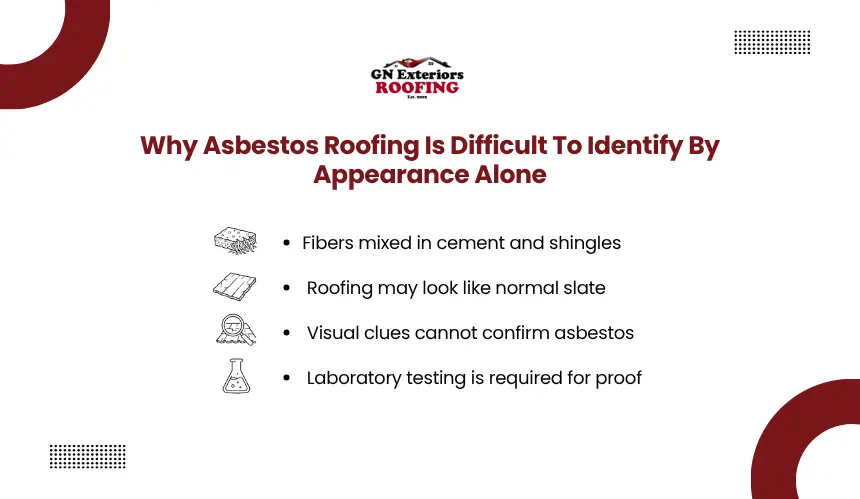
Asbestos roofing is difficult to identify because asbestos fibers were often mixed into cement, felt, coatings, shingles, and other roofing products. Once installed, these materials may look like ordinary slate, fiber cement, asphalt, or weathered roofing panels.
Visual clues can help homeowners recognize possible asbestos materials, but they cannot prove asbestos content. Confirmation requires proper sampling and laboratory analysis.
Do You Know? The U.S. EPA lists roofing shingles and asbestos cement products among building materials where asbestos has historically been used. This means asbestos roofing is not limited to one product type. It may appear in shingles, cement-based materials, coatings, or other roof-related components. |
A roof may look old, gray, brittle, or cement-based without containing asbestos. At the same time, some asbestos-containing roofing materials may not look unusual at all. This is why homeowners should treat certain older materials as suspected asbestos rather than confirmed asbestos.
Suspicion is useful because it changes how the material should be handled. If a roofing product may contain asbestos, it should not be cut, scraped, broken, drilled, sanded, pressure washed, or removed casually. The material needs a safer review process before any work begins.
Confirmed asbestos means the material has been tested through an appropriate sample and laboratory analysis. Until that happens, homeowners should avoid assuming the roof is safe based only on appearance, age, or a contractor’s quick visual opinion.
Asbestos roofing is most concerning when fibers can become airborne. Intact asbestos cement or roofing materials may hold fibers inside the product, but disturbance can change that condition. Breaking, grinding, sawing, drilling, or removing old roofing can release microscopic fibers into the surrounding air and debris.
This risk increases when the roofing is already damaged. Brittle sheets, cracked shingles, crumbling edges, loose fasteners, and storm-damaged sections can create dust or fragments during handling. Once asbestos fibers are released, they can settle on clothing, tools, gutters, insulation, soil, and interior spaces.
The problem is not just the roof surface. Roofing work often affects underlayment, flashing, adhesive, fasteners, roof decking, and debris pathways. A small repair can become a larger exposure concern if suspected asbestos materials are disturbed without controls.
Homeowners should avoid touching the roof when the material is cracked, crumbling, powdery, loose, or broken. These conditions suggest the material may release dust or fragments if moved. Even lifting a piece to “check underneath” can disturb hidden layers that may contain asbestos.
Caution is also needed before reroofing, demolition, solar panel installation, chimney work, gutter replacement, skylight installation, or storm restoration. These projects can disturb roofing layers that are not visible from the ground.
The safest approach is to stop physical inspection if asbestos is suspected. Homeowners can document the roof with photos from a safe distance, collect records, and contact a qualified asbestos inspector or roofing professional before any repair or removal decision is made.
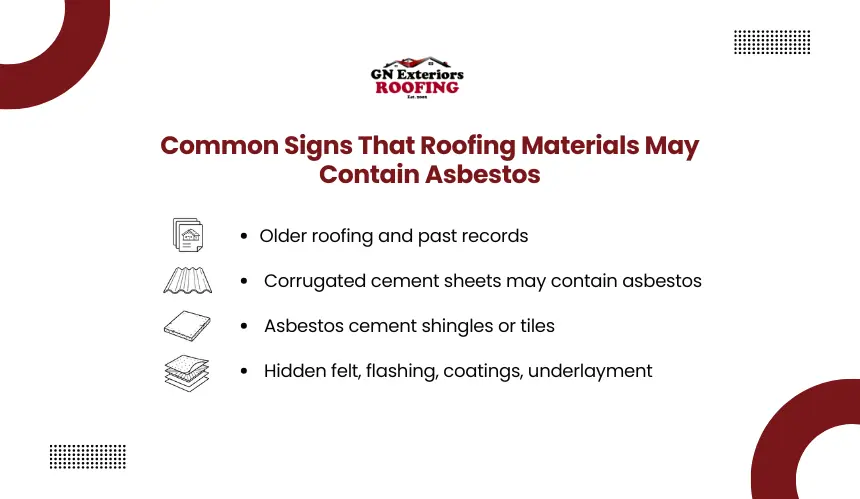
Homeowners can look for practical warning signs that raise suspicion, especially on older homes, garages, sheds, and additions. These signs do not confirm asbestos, but they help identify when testing or professional inspection may be needed.
The strongest clues usually come from a combination of material type, property age, installation history, and roof condition.
Older roofing systems are more likely to contain asbestos if they were installed during a period when asbestos materials were commonly used in construction. Homeowners can start by checking the property’s age, roof replacement records, seller disclosures, inspection reports, permit history, contractor invoices, and manufacturer labels.
Records may mention terms such as asbestos cement, fiber cement, cement shingles, corrugated cement sheets, asbestos felt, built-up roofing, roofing mastic, or old roof coatings. These terms do not always mean the current roof contains asbestos, but they can point to materials that need closer review.
Past renovations also matter. A home may have newer shingles on top while older roofing layers remain underneath. In some cases, asbestos-containing underlayment, felt, or flashing materials may be hidden below later roof coverings.
Do You Know? OSHA notes that some materials installed before 1981 are presumed to contain asbestos, including roofing and siding shingles. This makes old installation dates, permit records, contractor invoices, and replacement history more valuable when homeowners are checking a suspicious roof. |
Older corrugated cement roof sheets are one of the more recognizable materials that may contain asbestos. These sheets often have a wavy profile and may appear gray, weathered, rigid, and cement-like. They are commonly found on older garages, barns, sheds, lean-tos, porches, workshops, and outbuildings.
Their appearance can create confusion because modern non-asbestos fiber cement sheets may look similar. Age, installation history, and product records are therefore important. A corrugated sheet should not be assumed safe simply because it looks like ordinary cement roofing.
Warning signs include broken corners, exposed fibers along edges, moss-covered surfaces, loose fasteners, impact cracks, and powdery weathering. These conditions do not confirm asbestos, but they indicate that the material may be fragile and should not be disturbed without professional input.
Asbestos cement shingles and roof tiles may resemble slate, clay, or fiber cement products. They are often rigid, thin, and brittle, with a flat or slightly textured surface. Over time, they may become faded, gray, stained, chipped, or cracked from weather exposure.
These shingles can be difficult to identify because many roofing products imitate the look of slate or cement tiles. A homeowner may see a neat pattern of small roof tiles and assume it is only an old decorative roofing system. The real concern is the material composition, not just the shape.
Possible clues include uniform cement-like shingles, brittle broken pieces, old nail patterns, visible layering, and roof sections that match older construction dates. If repairs are planned, these materials should be treated as suspect until testing confirms whether asbestos is present.
Asbestos roofing materials are not always visible on the surface. Asbestos may be present in older roofing felt, tar paper, flashing compounds, roof coatings, sealants, adhesives, mastics, and built-up roofing layers. These materials can stay hidden until repairs or replacement work begins.
This matters because a roof may appear to have modern outer shingles while older asbestos-containing layers remain below. Removing the visible roof covering may disturb concealed materials that were never identified during a surface inspection.
Homeowners should be especially careful when roof work involves tear-off, deck exposure, flat roof repair, flashing replacement, or removal of old black adhesive-like material. Hidden roofing layers require professional assessment because they cannot be safely judged from the exterior surface alone.
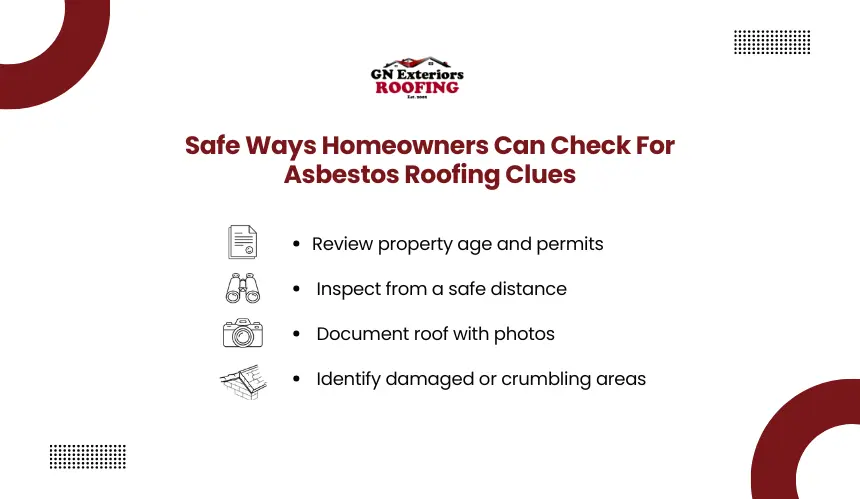
Homeowners can gather useful information without touching or damaging suspected materials. The safest process relies on records, distance-based observation, and professional review when clues point toward possible asbestos.
The goal is not to perform a DIY diagnosis. The goal is to decide whether the roof should be treated as suspect before any work begins.
The first step is to review documentation. Homeowners can check building permits, roof replacement records, inspection reports, insurance paperwork, seller disclosures, old contractor receipts, and product warranties. These records may reveal when the roof was installed, what materials were used, and whether older layers were removed or covered.
For Hanover homeowners, older roof records can be especially useful when a property has had additions, garage work, storm repairs, or partial reroofing over time. A newer visible roof does not always mean older roofing layers were fully removed. Some projects leave previous materials in place, which means suspected asbestos roofing may still exist beneath the current surface.
If records are unclear, homeowners can compare the roof timeline with major renovations, storm repairs, additions, garage construction, or outbuilding work. These details help an inspector understand where asbestos-containing roofing materials are most likely to be located.
A homeowner may visually inspect the roof from the ground, a window, or another safe viewing point. Photos can help document roof shape, material pattern, surface condition, damaged areas, and visible layers. Binoculars or zoomed photos are safer than climbing onto the roof.
The inspection should remain non-invasive. Homeowners should not scrape the surface, pull shingles, lift edges, remove fragments, drill fasteners, or collect samples. These actions can disturb the material and create unnecessary exposure risk.
Safe observation can still provide useful clues. A homeowner may notice corrugated sheets, cement-like shingles, old patched areas, cracked edges, layered roofing, damaged flashing, or debris in gutters. These observations can help professionals decide whether testing is needed.
Damage can change how quickly a homeowner should act. Cracked sheets, broken shingles, crumbling corners, loose fragments, storm impact damage, roof leaks, or scattered debris may increase the chance of material disturbance. A roof that is intact and undisturbed may require a different response than one that is actively breaking apart.
Planned work also increases urgency. Even if the roof looks stable, reroofing, demolition, skylight installation, chimney repair, vent installation, solar mounting, or gutter work can disturb suspected asbestos materials.
Homeowners should document damaged areas without touching them. Photos, dates of damage, leak locations, and recent weather events can help an asbestos inspector or qualified contractor assess the situation more accurately.
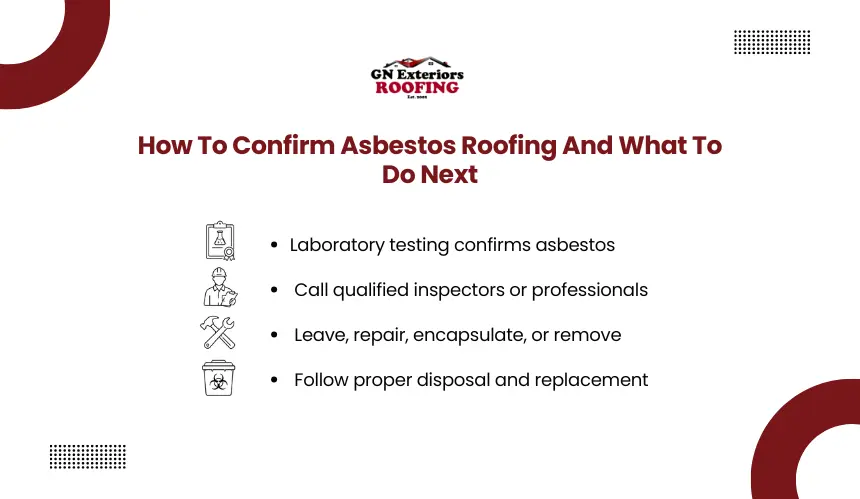
A homeowner can suspect asbestos based on clues, but confirmation requires proper testing. Once asbestos is confirmed or strongly suspected, the next step depends on roof condition, exposure risk, planned work, and local handling requirements.
The safest decision is based on evidence, not guesswork.
Laboratory testing is the only reliable way to confirm whether roofing materials contain asbestos. A qualified person collects a sample using proper controls, then sends it to an accredited laboratory for analysis. This process identifies whether asbestos fibers are present and may determine the type of asbestos material involved.
Homeowners should not collect samples themselves unless local rules specifically allow it and safe procedures are understood. Sampling can release fibers if the material is cut, broken, scraped, or handled incorrectly.
Testing is especially important before roof replacement, demolition, major repair, or property sale negotiations. A confirmed result helps prevent unsafe work, unexpected project delays, disposal problems, and liability concerns.
Homeowners should call an asbestos inspector or qualified roofing professional before disturbing old or suspicious roofing materials. Professional input is needed when the roof is damaged, the material looks cement-based, records suggest asbestos, or a project may involve removal or cutting.
In Hanover, this becomes especially important before roof replacement, demolition, storm restoration, chimney repair, skylight installation, or exterior renovation. These projects can disturb visible roofing materials as well as hidden layers such as felt, flashing compounds, coatings, or older underlayment.
An asbestos inspector can determine whether sampling is needed and where samples should be taken. A roofing professional can assess the roof’s condition, water intrusion risk, structural concerns, and repair options. In some cases, both professionals may be needed because asbestos handling and roofing performance are separate areas of expertise.
The right response depends on the condition of the material and the work planned. If suspected or confirmed asbestos roofing is intact, stable, and unlikely to be disturbed, a professional may recommend leaving it in place and monitoring its condition.
Repair may be considered when limited damage can be addressed safely without broad disturbance. Encapsulation may be an option in some cases, where a suitable protective coating or system helps contain the material. Removal is usually considered when the roof is severely damaged, renovation requires disturbance, or the material cannot remain safely in place.
These decisions should not be based only on cost. Homeowners need to consider exposure risk, roof leaks, structural condition, disposal rules, contractor qualifications, and future maintenance needs. A cheaper shortcut can create larger safety and compliance problems later.
For older homes in Hanover, suspected asbestos roofing should be handled with caution before any repair or replacement work begins. Aging shingles, cement-like panels, brittle roof sections, or hidden underlayment may contain asbestos, but the material cannot be confirmed by appearance alone. A professional inspection helps homeowners understand whether testing is needed before the roof is disturbed.
When testing confirms asbestos, asbestos roof removal in Hanover should be planned through a controlled process that protects the property, workers, and surrounding areas. Proper removal helps prevent unsafe fiber release during tear-off, disposal, or roof replacement, giving homeowners a safer path toward restoring the roof with modern materials.
Homeowners should not pressure wash, sand, drill, cut, break, sweep, or throw suspected asbestos roofing into regular trash. These actions can spread contaminated dust and fragments beyond the roof area. Dry sweeping debris from gutters, patios, driveways, or attic spaces can also increase exposure risk.
Suspected asbestos roofing should not be handled like ordinary construction waste. Waste handling, packaging, transport, and disposal may be regulated depending on the material, location, and project type.
When an asbestos roof has to be removed, homeowners often need a replacement material that is practical, familiar, and suitable for residential roofing. Asphalt shingle roofing fits that need because it gives the home a clean updated surface after older or unsafe roofing materials are professionally removed. It also works well for homeowners who want a straightforward roofing option without changing the overall look of the property too much.
In Hanover, asphalt shingles can be a sensible next step after asbestos-related roof work because they are commonly used on residential homes and can support a safer, more modern roof system. Once the old material is handled correctly, a new asphalt shingle roof can improve weather protection, curb appeal, and long-term maintenance planning.
The safest approach is to stop work, keep people away from debris, avoid disturbing the material, and contact a qualified professional. Careful identification protects the homeowner, contractors, neighbors, and anyone who may enter the property during or after roofing work.
For homeowners dealing with old, damaged, or suspicious roofing materials, GN Exteriors provides careful guidance before any roof work begins. Their team helps property owners understand when asbestos concerns may require professional inspection, safe handling, or proper removal planning. If a roof in Hanover has aging shingles, cement-like panels, hidden layers, or storm-damaged materials, GN Exteriors can help homeowners take the next step with a safer, more informed roofing solution.
Asbestos roofing can affect home value if buyers see it as a future repair, safety, or removal concern. The impact depends on roof condition, inspection results, local disclosure expectations, and whether replacement is already needed. Clear documentation can reduce uncertainty during pricing or negotiation.
Asbestos roofing is usually more concerning when it is damaged, aging, or disturbed by repair work. Normal weather may not create immediate exposure if the material is intact, but wind, hail, falling branches, or long-term deterioration can loosen fragments and increase the need for professional review.
Installing a new roof over suspected asbestos may not always be appropriate because hidden materials, fasteners, decking condition, ventilation, and local rules must be considered. Covering old roofing without proper assessment can leave future removal problems and may complicate leaks, repairs, or property sale documentation.
Responsibility usually depends on the property owner, contractor agreement, local regulations, and project scope. Homeowners should confirm who handles testing, containment, removal, disposal, and documentation before renovation begins. Written responsibilities help prevent unsafe work practices, project delays, and unexpected costs.
Asbestos roofing may remain in place if it is stable, intact, and not likely to be disturbed. The timeline depends on roof age, weather exposure, leaks, cracks, and future renovation plans. Regular professional monitoring helps determine when repair, encapsulation, or removal becomes the safer option.