
Key Takeaways
|
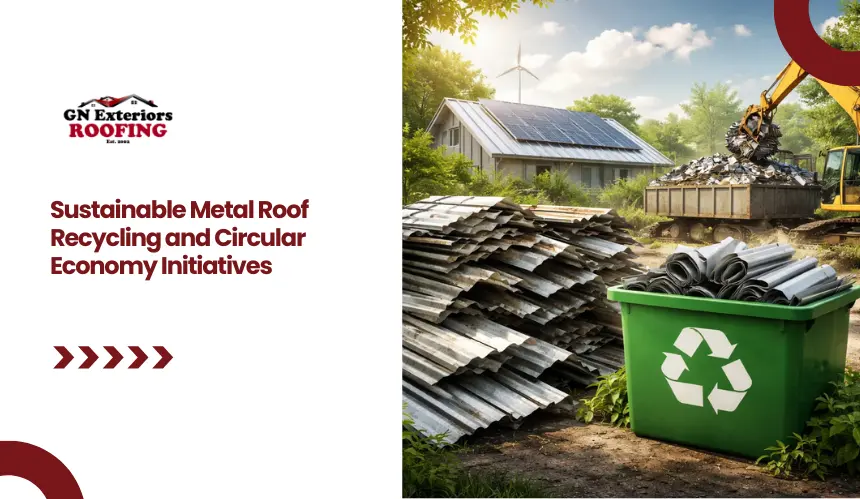
Construction waste is one of the largest waste streams in the world, and roofing materials contribute significantly to that volume. While asphalt shingles often end up in landfills, metal roofing presents a very different story.
It offers long service life, high recycled content, and strong material recovery potential at the end of its lifecycle. This is where sustainable metal roof recycling and circular economy initiatives become highly relevant.
This blog will break down how circular economy principles apply to metal roofing, how recycling actually works in practice, and what measurable benefits it delivers.

Before exploring recycling processes or project strategies, it is important to understand the framework that makes sustainable metal roof recycling meaningful. The circular economy is not simply about diverting waste. It is a systems-based approach that keeps materials in continuous use, reduces dependency on virgin resource extraction, and minimizes lifecycle environmental impact.
In the context of roofing systems, this means shifting from a disposal-focused mindset to a material recovery model. Roofing components are evaluated not only for durability and weather resistance but also for recyclability, traceability, and reintegration into the manufacturing supply chain.
In a traditional linear model, roofing materials follow a predictable path. Raw materials are extracted, processed into products, installed on buildings, and eventually removed and discarded. This take-make-dispose cycle increases landfill volume, drives mining activity, and raises embodied carbon levels across the construction sector.
A circular economy model restructures that flow. Instead of ending in disposal, materials move into recovery streams. Metal roofing panels, flashing, and fasteners are removed through controlled deconstruction methods and redirected into recycling facilities.
There, they are processed into secondary raw materials that re-enter steel or aluminum production. This closed-loop recycling approach reduces resource depletion and supports long-term decarbonization strategies.
Metal roofing aligns strongly with circular construction principles because of its material properties and industrial infrastructure. Steel and aluminum are infinitely recyclable without significant degradation in structural performance. Unlike composite roofing systems that mix incompatible materials, metal panels can be efficiently separated, sorted, and processed.
Several factors strengthen this compatibility:
This compatibility allows metal roofing to support green building standards, including Material and Resources credits under LEED v4. It also enhances ESG reporting accuracy by enabling traceable material recovery data.
By aligning durability, recyclability, and industrial-scale recovery infrastructure, metal roofing becomes more than a protective building envelope. It becomes part of a regenerative material system that supports circular supply chains and resource efficiency at scale.

Understanding circular economy principles sets the foundation, but real impact depends on execution. Metal roof recycling is a structured, multi-stage process that involves careful removal, material sorting, industrial processing, and reintegration into manufacturing.
Each stage determines how efficiently materials move from end-of-life roofing systems back into productive use.
The recycling outcome of a metal roof often depends on how it is removed. Conventional demolition methods focus on speed, not material preservation. Roofing panels may be bent, mixed with debris, or contaminated with insulation and sealants, reducing recovery value.
Selective deconstruction takes a different approach. Contractors dismantle panels systematically, separate fasteners, and isolate ferrous and non-ferrous components on-site. This controlled removal process supports construction and demolition waste management strategies and significantly improves material recovery rates.
When roofing systems are designed with mechanical fastening instead of permanent adhesives, removal becomes cleaner and more efficient. This directly supports circular construction objectives and protects the structural integrity of recyclable steel and aluminum sheets.
Once removed, metal roofing materials enter recycling facilities where they undergo industrial sorting and processing. The first stage typically involves separating ferrous metals, such as steel, from non-ferrous metals like aluminum using magnetic separation systems.
After sorting, materials are cleaned to remove coatings, sealants, and surface contaminants. Shredding reduces panels into manageable fragments, preparing them for smelting operations. During re-melting, scrap metal transforms into liquid form and is refined into secondary raw material suitable for manufacturing.
This stage plays a critical role in reducing embodied energy. Producing steel or aluminum from recycled feedstock requires significantly less energy compared to extracting and refining virgin ore. The energy savings directly translate into lower greenhouse gas emissions and measurable lifecycle carbon reductions.
The final step closes the material loop. Recycled metal feedstock is processed into coils, sheets, or structural components that re-enter industrial supply chains. These materials may be used in new roofing panels, structural framing systems, or other construction products.
From a manufacturing perspective, recycled inputs reduce dependence on mining operations and stabilize raw material supply. From an environmental standpoint, this closed-loop recycling model supports decarbonization goals and strengthens circular supply chains.
For building owners and developers, this means a metal roof does not represent waste at the end of its service life. Instead, it becomes a recoverable asset within a broader sustainable infrastructure system.
The recycling process transforms end-of-life roofing into a resource stream that supports resource efficiency, carbon reduction strategies, and long-term environmental stewardship.

Once the recycling process is understood, the next logical question is impact. What measurable difference does metal roof recycling actually make? The answer lies in carbon reduction, landfill diversion, and financial return.
These benefits are not theoretical. They are quantifiable outcomes supported by lifecycle assessment data, energy consumption metrics, and global recycling statistics.
Recycling steel and aluminum requires significantly less energy than producing them from raw ore. For example, recycled aluminum can require up to 95 percent less energy compared to primary aluminum production. Recycled steel production also consumes substantially lower energy and reduces greenhouse gas emissions.
Lower energy demand translates into reduced Scope 3 emissions within construction supply chains. This directly supports decarbonization strategies for developers aiming to meet net-zero building targets.
When lifecycle carbon assessment is applied to roofing materials, metal systems with high recycled content consistently show improved embodied carbon performance compared to landfill-bound alternatives.
From an ESG reporting perspective, specifying recyclable roofing materials strengthens sustainability disclosures and aligns with corporate environmental commitments.
Construction and demolition waste accounts for a major portion of landfill volume worldwide. Roofing tear-offs contribute heavily when materials are non-recoverable. Metal roofing changes that equation.
Because steel and aluminum retain scrap value, they are rarely treated as waste in established recovery markets. Instead, they enter organized recycling streams that support circular material recovery targets and zero-waste construction initiatives.
Landfill diversion delivers several long-term advantages:
For municipalities implementing stricter construction waste diversion mandates, metal roofing supports regulatory compliance while maintaining structural performance standards.
Beyond environmental metrics, metal roof recycling creates economic incentives. Scrap metal operates within an established commodity market. Ferrous and non-ferrous materials retain resale value, even after decades of service life.
For contractors, recovered metal can offset project costs through scrap resale. For property owners, recyclable roofing improves lifecycle value compared to materials with zero recovery potential. In large commercial projects, reclaimed material revenue can become a measurable line item in cost-benefit analysis.
At an industrial scale, recycled feedstock reduces dependence on volatile raw material extraction markets. This enhances resource security within steel and aluminum manufacturing sectors.
Environmental responsibility and financial logic intersect here. Sustainable metal roof recycling does not require sacrificing performance or profitability. It integrates carbon reduction, waste diversion, and material value retention into one cohesive strategy that strengthens both environmental stewardship and long-term economic resilience.

Understanding benefits is important, but implementation determines real-world results. Circular economy principles become meaningful only when they are intentionally embedded into project design, material selection, and contractor workflows. For architects, developers, and roofing professionals, integration begins long before installation and continues through the roof’s entire service life.
Circular roofing projects focus on recoverability, traceability, and long-term material performance. These decisions influence lifecycle carbon outcomes, waste diversion rates, and compliance with green building certification frameworks.
Design for Disassembly, often referred to as DfD, ensures that roofing systems can be removed efficiently without damaging core materials. In metal roofing, this approach centers on mechanical fastening systems rather than permanent adhesives or bonded composite layers.
When panels are secured using clips, screws, or modular fastening assemblies, they can be detached in sections during end-of-life removal. This preserves structural integrity and simplifies on-site material segregation. It also reduces contamination risks that may compromise recycling yield.
Architects and specifiers who incorporate modular roofing systems enable adaptive reuse construction strategies. This approach supports circular construction objectives while maintaining weather resistance, wind uplift performance, and thermal efficiency standards.
Specifying high recycled content is one of the most direct ways to support circular material flow. Many steel and aluminum manufacturers publish Environmental Product Declarations that disclose pre-consumer and post-consumer recycled content percentages.
Including these specifications during procurement strengthens lifecycle assessment performance and contributes to LEED Material and Resources credits. It also improves transparency within sustainability reporting frameworks.
When reviewing product documentation, decision-makers should evaluate:
Clear specification criteria align procurement strategies with broader ESG goals and carbon reduction targets.
Material recovery does not end with removal. Partnering with certified recycling facilities ensures that recovered roofing materials are processed responsibly and reintroduced into legitimate supply chains.
Certified processors follow regulated sorting, smelting, and environmental management protocols. This reduces contamination risks and enhances traceable recycling documentation, which is increasingly important for corporate sustainability disclosures.
For large commercial developments, documented recycling pathways strengthen compliance with construction waste management plans. They also provide measurable proof of landfill diversion performance.
Integrating circular practices into roofing projects requires coordination across design teams, contractors, suppliers, and recycling partners. When these elements align, metal roofing becomes a structured component of a resource-efficient construction ecosystem built around recoverability, carbon accountability, and long-term sustainability performance.

Sustainable roofing decisions increasingly intersect with regulatory compliance, green building certifications, and corporate environmental reporting. Metal roof recycling connects directly to building codes, sustainability standards, and environmental governance frameworks that shape modern construction practices.
For developers and commercial property owners, understanding these regulatory pathways ensures that material recovery efforts translate into measurable compliance value rather than remaining informal sustainability efforts.
Green building certification systems reward projects that prioritize recycled content, material transparency, and construction waste diversion. Under LEED v4, the Material and Resources category evaluates Environmental Product Declarations, lifecycle impact reduction, and documented waste management performance.
Metal roofing systems can support certification benchmarks through:
Other frameworks such as BREEAM and the WELL Building Standard also emphasize responsible material sourcing and environmental transparency. Roofing systems with clear recycling documentation strengthen compliance with these performance-based rating systems.
Environmental, Social, and Governance reporting increasingly requires documented landfill diversion data and carbon reduction strategies. Metal roof recycling contributes to measurable Scope 3 emissions reduction, improved lifecycle carbon metrics, and verified material recovery reporting.
In Massachusetts, the Massachusetts Department of Environmental Protection enforces construction waste disposal regulations that encourage recycling and restrict certain materials from landfill disposal. Commercial developments in Greater Boston and Cambridge often integrate documented metal recycling pathways to align with state sustainability initiatives.
Developers in MA also evaluate eligibility for Mass Save® commercial energy incentives and potential federal Section 179D tax deductions when roofing upgrades improve overall building envelope performance, strengthening the financial case for sustainable material recovery strategies.
By aligning roofing material recovery with regulatory standards and certification frameworks, metal roof recycling becomes more than a sustainability preference.
It becomes a structured compliance tool that strengthens environmental reporting, supports green building performance, and reinforces institutional credibility.
Understanding principles, processes, and compliance frameworks is important. Implementation, however, depends on structured action. Contractors, facility managers, and developers can embed circular economy thinking into roofing projects by following clear operational steps. The goal is to treat the roof as a recoverable asset from day one.
By integrating these steps into project planning and procurement workflows, metal roofing shifts from a linear installation decision to a circular resource strategy. Practical execution transforms sustainability goals into measurable environmental and financial performance outcomes.
Sustainable roofing is not just about durability. It is about responsibility, long-term value, and smarter material decisions. If you are planning a roof replacement or evaluating lifecycle performance, GN Exteriors can help you integrate recyclable metal systems and circular planning into your project from the start.
Yes, steel and aluminum roofing panels remain fully recyclable even after decades of service life. Unlike composite materials, metal does not lose its core structural properties during reprocessing. Once removed, panels can be sorted, melted, and reintroduced into manufacturing as secondary raw material without significant performance degradation.
Many modern steel and aluminum roofing products contain between 25 percent and 95 percent recycled content, depending on the manufacturer and production method. Electric arc furnace steel production, for example, commonly relies on high levels of recycled scrap metal feedstock. Environmental Product Declarations usually specify exact percentages.
From a lifecycle perspective, metal roofing generally offers stronger sustainability performance. It lasts significantly longer, has higher recycled content, and is fully recyclable at end of life. Asphalt shingles often end up in landfills and have lower recovery rates, which increases long-term waste generation.
Recycling can offset removal costs through scrap resale value, particularly for large commercial projects. While commodity prices fluctuate, recoverable metal retains intrinsic value. In addition, projects that integrate recycled materials may qualify for green building credits or energy-related incentives, improving overall financial performance.
Yes. Metal roofing with documented recycled content and verified recycling pathways can contribute to LEED Material and Resources credits and strengthen ESG reporting metrics. Landfill diversion documentation and lifecycle carbon reduction data are especially valuable for developers pursuing sustainability certifications or corporate environmental targets.