
Key Takeaways
|
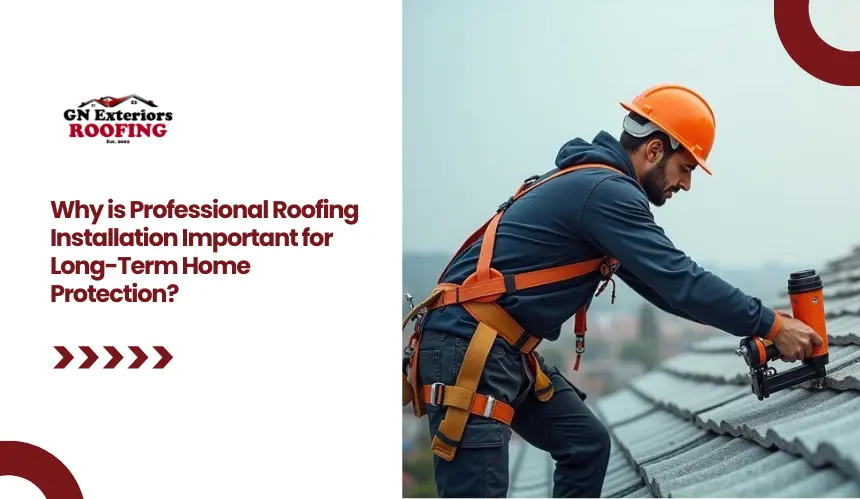
A roof does more than cover a home. It protects everything beneath it from water intrusion, heat loss, and structural stress. Yet many homeowners focus only on roofing materials, assuming durability comes from shingles or tiles alone. In reality, the way a roof is installed plays a far greater role in how well it performs over time.
Poor installation often leads to hidden issues like moisture buildup, weak sealing, and premature wear that only become visible after damage has already started. This blog will cover why professional roofing installation matters and how it contributes to lasting home protection.

Before understanding its long-term value, it is important to look at what professional roofing installation actually includes. It is not just about placing shingles on a surface.
It is a structured process where multiple components, layers, and technical checks come together to create a complete roofing system designed for durability and protection.
The process begins with a detailed evaluation of the roof deck and supporting structure. Professionals check for soft spots, trapped moisture, and any signs of wood rot that could weaken the foundation. This step ensures the roof decking can handle load distribution and prevents future structural issues that often go unnoticed during basic installations.
Once the base is prepared, each layer is installed with precision, starting from underlayment to flashing and final roofing materials. Proper alignment of shingles, correct placement of waterproof barriers, and sealing of joints are critical to prevent water intrusion. Every component works together as part of a roofing system rather than as isolated elements.
Professional installation also involves strict adherence to local building codes and safety guidelines. This includes correct fastening methods, slope requirements, and ventilation standards that ensure both performance and compliance.
Following these regulations not only improves roof durability but also protects homeowners from future legal or insurance-related complications.

A roof’s lifespan is not defined only by material grade. It is largely determined by how accurately each component is installed and how well the system manages stress, moisture, and temperature shifts over time.
Professional installation focuses on these performance factors from day one, which directly influences how long the roof can function without failure.
Roofing systems rely on precise layering where underlayment, starter strips, shingles, and ridge components are installed in a specific sequence. When this layering is done correctly, it creates continuous protection against water penetration and wind uplift.
Misaligned shingles or improper nailing patterns can reduce wind resistance by up to 30 percent, leading to early material displacement and surface deterioration.
A professionally installed roof includes a balanced ventilation system that regulates airflow between intake and exhaust vents. This airflow prevents heat and moisture from getting trapped in the attic space. Without proper ventilation, moisture can accumulate and lead to mold growth, insulation damage, and wood rot.
Consistent airflow also helps maintain stable indoor temperatures, reducing stress on roofing materials caused by expansion and contraction cycles.
Professional installers account for regional weather patterns when securing roofing materials. This includes using appropriate fastening techniques, sealing methods, and edge protection to withstand high winds, heavy rainfall, and temperature fluctuations.
In areas like Dorchester and Quincy, proximity to Boston Harbor brings salt-laden air and frequent wind-driven rain, which require reinforced flashing, corrosion-resistant fasteners, and tighter sealing around penetrations.
In Hingham and Weymouth, coastal storms and Nor’easters increase the risk of shingle uplift, making precise nailing patterns and edge protection critical.
Further inland, locations such as Milton, Randolph, and Hanover experience freeze-thaw cycles during winter that can stress roofing materials and lead to expansion-related cracks if installation is not properly managed.
Proper installation ensures the roofing system adapts to these localized conditions, reducing failure risks and maintaining consistent performance throughout seasonal changes.

When roofing installation is handled without proper expertise, the issues are rarely immediate. Most problems develop gradually, often hidden beneath the surface until they begin affecting interior spaces or structural elements.
Poor installation introduces weaknesses into the roofing system that compromise performance, efficiency, and long-term reliability.
Improper sealing around roof penetrations such as vents, chimneys, and skylights creates entry points for water. Even small gaps can allow moisture to seep into the underlayment and roof deck. Over time, this leads to ceiling stains, insulation saturation, and mold development.
In many cases, leaks do not appear directly below the source, making them harder to detect and more expensive to repair.
Incorrect installation often disrupts the roof’s thermal barrier. Gaps in underlayment, poorly sealed edges, or missing ventilation components allow heat to escape during colder months and enter during warmer periods.
This imbalance forces HVAC systems to work harder, increasing energy consumption and reducing overall home efficiency. Studies show that inadequate roof insulation and sealing can raise energy costs by up to 20 percent.
DIY or low-quality installations often lead to recurring issues such as loose shingles, exposed fasteners, and damaged flashing. These small defects require repeated repairs, which accumulate over time and exceed the cost of a proper installation.
Instead of a stable roofing system with predictable maintenance, homeowners face ongoing expenses and shortened roof lifespan due to preventable installation errors.

A roofing system is directly tied to the structural stability of a home. Beyond surface protection, it plays a critical role in how loads are distributed, how external forces are managed, and how safely the building performs under stress. Professional installation ensures these factors are addressed with precision rather than approximation.
Did you know? Roof-related damage accounts for an estimated 70 to 90 percent of total insured residential catastrophic losses in many years, depending on the weather event, according to the Insurance Institute for Business & Home Safety (IBHS). |
Every roofing system must evenly transfer weight across the framing structure, especially in areas exposed to heavy rainfall or debris accumulation. Professional installers assess slope, truss spacing, and decking condition to ensure balanced load distribution.
Improper installation can create pressure points that lead to sagging sections or long-term structural deformation, particularly in older homes or properties with complex roof designs.
Modern roofing systems are designed to meet specific fire resistance and environmental safety standards. Professional installation ensures that fire-rated materials are installed according to manufacturer specifications, maintaining their protective properties.
In addition, correct sealing and fastening techniques reduce the risk of wind-driven rain entering the structure and help prevent damage during extreme weather events.

Beyond performance and durability, professional roofing installation directly affects whether a homeowner is protected financially. Warranty approvals and insurance claims are often tied to how the roof was installed, not just the materials used. Even high-quality roofing products can lose coverage if installation standards are not properly followed.
Most roofing manufacturers provide warranties that cover material defects for 20 to 50 years. However, these warranties come with strict installation conditions. Certified installation methods, approved underlayment systems, and correct fastening patterns are often required to keep the warranty valid. If shingles are installed with incorrect nail placement or improper spacing, manufacturers may deny claims, even if the material itself fails.
Insurance providers assess installation quality when reviewing roof damage claims. Signs of improper workmanship, such as poor flashing, uneven sealing, or non-compliant materials, can lead to claim reductions or full denial.
In contrast, professionally installed roofs that meet building codes and documented standards are more likely to qualify for full coverage during events like storms or water damage incidents.
Not every roofing issue is immediately visible, but the quality of installation often leaves clear indicators. A professionally installed roof shows consistency, precision, and system-level thinking, where each component supports proper water management and structural performance.
One of the most noticeable signs is uniform shingle alignment across the roof surface. Straight lines, consistent spacing, and properly driven nails indicate controlled installation. Overdriven or exposed nails weaken wind resistance and can lead to early material failure, while correct fastening ensures shingles remain stable under pressure.
A well-installed roof is designed to guide water efficiently from the ridge to the gutters without pooling. This includes accurate slope execution, properly installed valleys, and sealed flashing around critical areas. Poor drainage design often leads to standing water, which accelerates material deterioration and increases the risk of leaks.
Professional installation ensures balanced airflow through intake and exhaust vents, combined with tightly sealed joints around edges and penetrations. This prevents heat buildup and moisture accumulation inside the roofing system.
Consistent ventilation also helps maintain the condition of insulation and structural components over time, supporting overall roof performance.
A roof is only as strong as the way it is installed. GN Exteriors, certified roofers serving Boston and the South Shore, focuses on precision-driven roofing systems designed to handle real-world conditions and deliver long-term protection. When performance, durability, and reliability matter, working with the right team makes all the difference.
Most residential roofing projects are completed within 1 to 3 days, depending on roof size, slope complexity, and weather conditions. Larger homes or structures with multiple valleys, dormers, or steep pitches may require additional time for precise installation.
In some cases, a second layer can be installed over existing shingles, but this depends on local building codes and the current roof condition. A full tear-off is often preferred because it allows proper inspection of the decking and ensures better long-term performance.
Material choice depends on climate, budget, and home design. Asphalt shingles are widely used for their balance of cost and durability, while metal roofing and architectural shingles offer longer lifespans and stronger resistance to environmental stress.
A professional inspection is recommended at least once a year, along with additional checks after major weather events. Regular inspections help identify minor issues early and maintain consistent roof performance.
Cost is influenced by roof size, material selection, structural condition, labor complexity, and accessibility. Features like steep slopes, multiple layers, or custom components can increase installation time and overall project cost.