
Key Takeaways
|
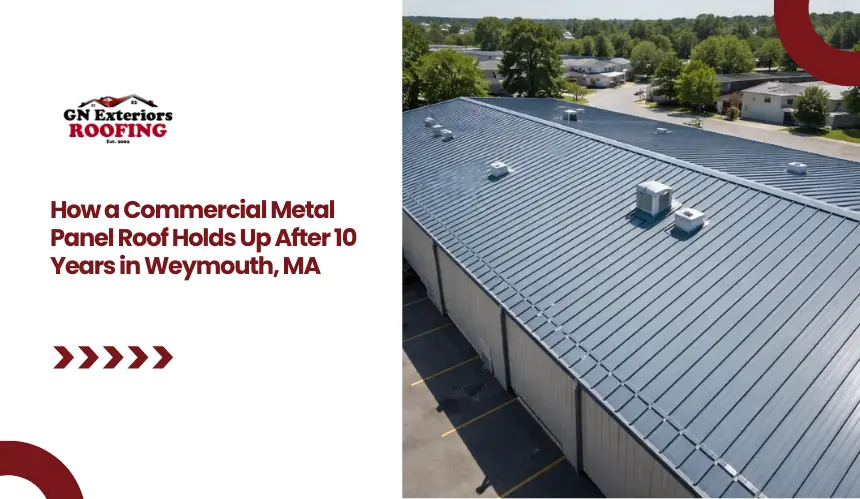
Large recreation facilities require building systems that can withstand heavy usage, wide structural spans, and constant exposure to weather conditions. One example is the Starland Sportsplex & Fun Park, a major entertainment and sports venue serving families and community leagues across the South Shore.
Complexes of this scale typically rely on durable construction materials, particularly for roofing systems that protect expansive indoor activity spaces.
This article examines the metal panel roof used on the Starland Complex and reviews how such roofing systems generally perform after around a decade of service.

Large recreation facilities require careful planning because they must support wide indoor spaces, frequent public use, and year-round operations.
Understanding the scale and structure of the Starland Sportsplex & Fun Park helps explain why durable building materials such as metal panel roofing are often used in complexes of this type.
The Starland complex serves as a major recreation and entertainment destination for families and sports leagues across the South Shore region. Facilities like this typically host indoor sports activities, skating programs, arcade entertainment, and community events.
Because the building welcomes large numbers of visitors throughout the year, its construction must provide dependable protection for interior spaces while supporting a variety of recreational activities.
Large recreation complexes usually extend across more than one hundred thousand square feet and require structural systems capable of supporting wide interior spans. Designers often rely on structural steel framing to create open activity areas without excessive interior columns.
This approach allows the facility to accommodate sports surfaces, entertainment zones, and event spaces while maintaining overall structural stability.
Buildings of this scale often combine steel structural systems with durable exterior envelope materials. Roofing systems with metal panels are frequently selected because they provide reliable weather protection across large roof areas while remaining relatively lightweight compared with many traditional roofing materials.
This design approach helps support structural efficiency while protecting the building from long-term environmental exposure.

The Starland complex project was completed around 2015 and the roof system incorporated metal panels as part of the building envelope.
Large recreation facilities often use this approach because expansive roof areas require materials that provide reliable coverage while supporting structural efficiency.
Metal panel roofing systems are commonly used on recreation buildings because they perform well on wide-span commercial structures and can withstand changing environmental conditions.

A decade of service provides a useful milestone for evaluating the condition of commercial roofing systems. After about ten years, building owners and facility managers often conduct inspections to confirm that roofing materials continue to perform as intended.
For a large building like the Starland Sportsplex & Fun Park, a review at this stage typically focuses on the condition of panels, attachments, and supporting roof components.

Metal roofing systems used on commercial buildings are designed for durability, but their performance still depends on periodic inspection and basic maintenance. Routine care helps ensure that the roof continues to provide reliable weather protection and structural stability over time.
If you are evaluating the condition of a metal roof or planning a new roofing project, working with experienced professionals can make the process more efficient and reliable. GN Exteriors provides expert guidance for commercial and residential metal roofing projects, helping property owners assess roof performance, plan maintenance, and choose durable roofing solutions designed to withstand New England weather conditions.
Commercial metal roofs are known for their long service life. Depending on the material type, panel thickness, and protective coatings, many metal roofing systems can last between 40 and 70 years. Regular inspections and proper installation play an important role in helping the roof reach its expected lifespan.
Yes, large commercial buildings often require specialized installation methods because roof panels must align properly across wide spans. Contractors typically use engineered panel layouts, precision fastening systems, and expansion allowances to ensure the roof performs correctly on large structures.
Metal roofs can contribute to energy efficiency when they use reflective coatings or light-colored finishes. These surfaces reflect a portion of solar radiation, which can help reduce heat absorption on the roof and support more stable indoor temperatures during warmer months.
Many commercial metal roofs are well suited for solar panel systems. Mounting systems can often attach to metal panels without requiring extensive roof penetration, which helps protect the roof surface while allowing property owners to integrate renewable energy systems.
Metal roof panels are typically manufactured with protective coatings such as galvanized or Galvalume layers combined with painted finishes. These coatings help protect the metal surface from corrosion, moisture exposure, and long-term environmental wear.